Blogs
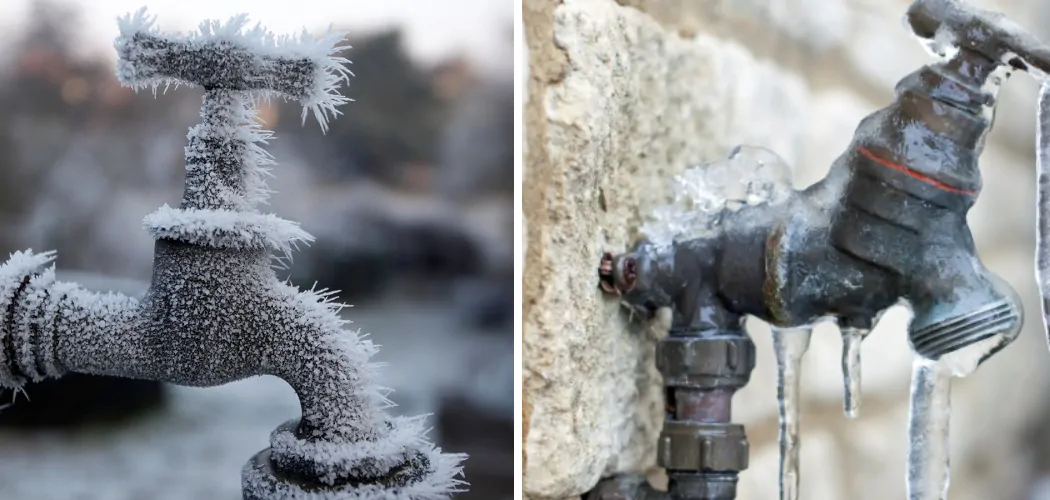
Winterize Your Pipes Before Cold Weather Hits
As winter approaches, the cold can put significant strain on your plumbing system. A frozen pipe may seem like a minor problem at first, but
Always Available, Serving 24/7
Finding the best local plumbing services in Hillsboro, OR starts with comparing plumbing companies based on experience, customer reviews, licensing, and proven success handling residential and commercial plumbing issues. A skilled Hillsboro plumber helps protect your property, resolves problems efficiently, and ensures all work meets Oregon building codes. Reviewing credentials, past projects, emergency availability, and customer feedback is essential when selecting the right plumbing contractor Hillsboro homeowners trust.
A reputable Hillsboro plumbing company offers transparent pricing, prompt response times, and comprehensive plumbing solutions with upfront estimates and no hidden fees. Many local plumbing services provide free inspections or consultations, emergency service options, and warranties on labor and parts.
Finding the best local plumbing services in Hillsboro, OR starts with comparing plumbing companies based on experience, customer reviews, licensing, and proven success handling residential and commercial plumbing issues. A skilled Hillsboro plumber helps protect your property, resolves problems efficiently, and ensures all work meets Oregon building codes. Reviewing credentials, past projects, emergency availability, and customer feedback is essential when selecting the right plumbing contractor Hillsboro homeowners trust.
A reputable Hillsboro plumbing company offers transparent pricing, prompt response times, and comprehensive plumbing solutions with upfront estimates and no hidden fees. Many local plumbing services provide free inspections or consultations, emergency service options, and warranties on labor and parts. Each job receives personalized attention, with licensed and insured plumbers handling everything from minor repairs to complex plumbing system replacements across Hillsboro and surrounding Washington County areas.
A local Hillsboro plumber ensures compliance with Oregon plumbing regulations while diagnosing issues, identifying underlying causes, and recommending cost-effective solutions. Common plumbing services include leak detection, pipe repair, water heater installation, drain cleaning, sewer line repair, and fixture replacement. Professional plumbers use advanced diagnostic tools, industry-grade materials, and proven repair methods to restore plumbing systems and prevent future damage.
A trusted plumbing service in Hillsboro, OR helps homeowners and businesses avoid costly water damage, health hazards, and code violations by addressing issues quickly and correctly. From emergency burst pipes to routine maintenance, experienced plumbers work to deliver long-lasting solutions that protect your home, improve efficiency, and ensure peace of mind.
The Benefits of Hiring Local Plumbing Services in Hillsboro, OR
Licensed and Code-Compliant Work:
Oregon plumbing regulations protect homeowners by requiring licensed professionals to perform plumbing repairs and installations correctly and safely.
Accurate Problem Diagnosis:
Experienced plumbers identify the root cause of leaks, clogs, pressure issues, or system failures using inspections, camera equipment, and pressure testing.
Cost-Effective Repair Solutions:
A Hillsboro plumbing professional provides accurate estimates, helps prevent unnecessary replacements, and recommends solutions that fit your budget.
Use of Professional Tools and Materials:
Modern plumbing equipment, high-quality parts, and proven repair techniques ensure durable and efficient results.
Emergency Plumbing Response:
Local plumbers respond quickly to urgent issues like burst pipes, sewer backups, or water heater failures to minimize damage.
Full-Service Plumbing Support:
Plumbers handle inspections, repairs, replacements, maintenance, and system upgrades for residential and commercial properties.
Ongoing Customer Support:
Reliable plumbing services explain the repair process, offer maintenance advice, and provide dependable follow-up support to keep plumbing systems running smoothly.
Our highly experienced plumbing professionals will contact you for a free estimate and consultation.




Collaborating with M T Dunn Plumbing in Hillsboro, OR offers numerous benefits, advantages, and dependable solutions for homeowners and businesses seeking professional plumbing services.
EXCELLENTTrustindex verifies that the original source of the review is Google. Late Sunday night we had an emergency leak, where we were forced to shut off water to entire house. I reach out MT Dunn plumbing and in a short notice and within 35 mins Irich was able to come over and fixed our leak. Truly appreciate the quick response especially being late Sunday night around 9-10pm!!!Posted onTrustindex verifies that the original source of the review is Google. We inadvertently discovered our kitchen and washing machine drains were disconnected and dumping water underneath the house, in the crawlspace. We may never know why or for how long but Irich responded to my call personally and set a date within a single business day knowing we'd couldn't use the kitchen until it was fixed. He was here on time and had it repaired in a half day. Proper invoicing and estimates based on labor and parts always makes me happy. So glad to have a plumber now. I won't go anywhere else.Posted onTrustindex verifies that the original source of the review is Google. I have used MT Dunn many times, mostly smaller projects. Usually available within 24-48 hours. Always professional and courteous. Wouldn’t hesitate to use them again!Posted onTrustindex verifies that the original source of the review is Google. Excellent service start to finish. Arrived on time, responded quickly to request. Very friendly and professional. Everything handled with care and expertise. Shower head repair. Hillsboro Area.Posted onTrustindex verifies that the original source of the review is Google. This is the 3rd time we've used M T Dunn Plumbing, and the 3rd time we've have a 5-star experience. I would recommend them to everyone!Posted onTrustindex verifies that the original source of the review is Google. Irich is very easy to work with and always shows up on time. He’s honest, professional, and very efficient. His work is fast but never rushed. He does things the right way and never cuts corners. Over the past three years, he has helped us three times: installing a water heater, replacing some toilet parts, and installing a new toilet. Every job was done quickly and professionally. He’s also very respectful of our home and keeps things clean while working. On top of that, he’s a genuinely kind person—even great with our dog 🐶 His pricing is fair and he never overcharges. It’s hard to find someone this trustworthy. I highly recommend him. Thank you Irich!Posted onTrustindex verifies that the original source of the review is Google. I've had MT Dunn plumbing handle a couple of plumbing issues we've had over the last few years. Our most recent visit was due to a leaking valve going to our guest bathroom toilet. It was stripped and Irich was able to fix it in short order. Friendly, transparent, punctual, and knowledgeable. We highly recommend Dunn plumbing and Mikes son Irich.Posted onTrustindex verifies that the original source of the review is Google. This is the second time I’ve used M T Dunn Plumbing and both experiences have been great. I recently discovered I had a leaky pipe underneath my cement driveway. M T Dunn came out and assessed the situation and gave me multiple ways get it fixed with varying costs. I decided what I wanted to do and they came out a few days later and took care of it. They cut a hole in the cement, found the leak, fixed it and patched the driveway in a single day which will end up saving me a ton of money. They’re very fair and have gotten things done quickly and easily both times I’ve needed them.Posted onTrustindex verifies that the original source of the review is Google. Very upfront on pricing, finished the work as expected.Posted onTrustindex verifies that the original source of the review is Google. Irich is great and excellent work and did same day service..I would highly recommend mt plumbing for anyone
The best local plumber in Hillsboro, near you is M T Dunn Plumbing.
MT Dunn Plumbing has proudly served Hillsboro and the greater Portland metro area for over three decades, delivering expert plumbing solutions and dependable workmanship for thousands of satisfied customers.
With 35+ years of experience diagnosing and resolving plumbing issues from emergency leaks and broken fixtures to water heater installations and sewer line repairs the team has built a strong reputation for reliability, professionalism, and long-lasting results.
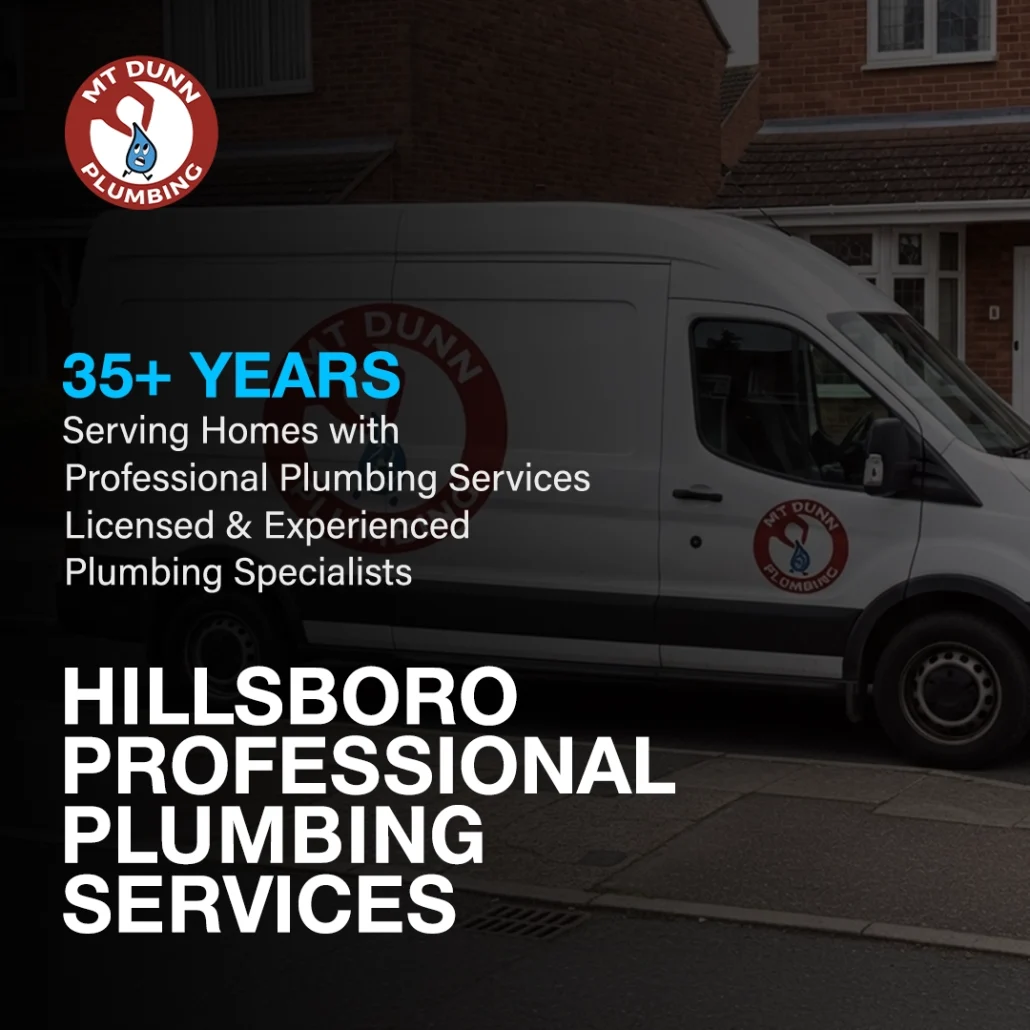
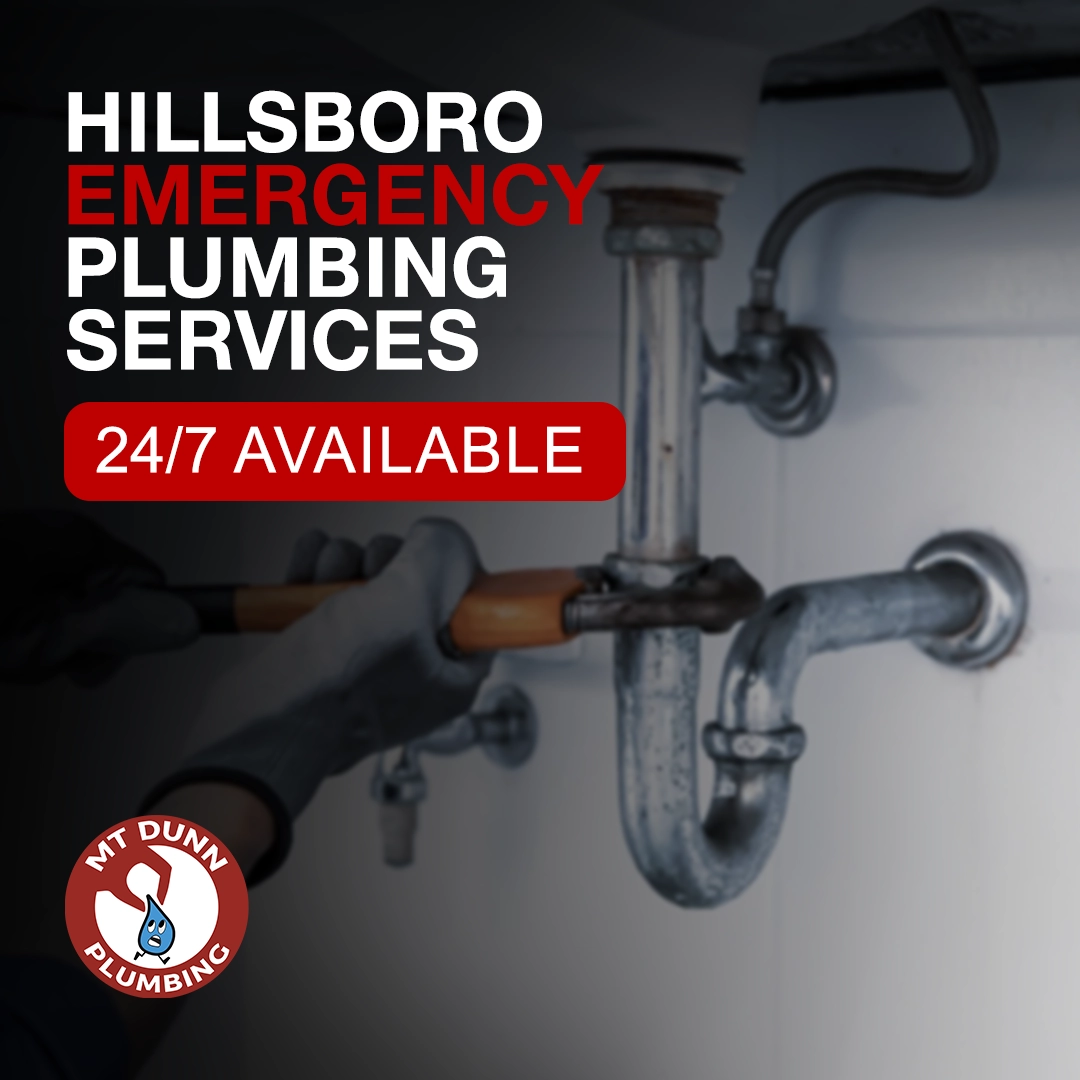
The Hillsboro emergency plumbers at MT Dunn Plumbing respond quickly to urgent plumbing issues such as burst pipes, major leaks, overflowing toilets, and sewer backups. We handle complex situations efficiently to minimize property damage and restore plumbing systems as fast as possible for homeowners and businesses.
The experienced plumbers at MT Dunn Plumbing specialize in water heater repair, replacement, and installation, including tank and tankless systems. We diagnose heating issues, leaks, and efficiency problems to ensure reliable hot water and energy-efficient performance.
The Hillsboro plumbing professionals at MT Dunn Plumbing tackle stubborn drain clogs caused by grease buildup, roots, debris, or aging pipes. Using professional-grade equipment, we restore proper flow and help prevent recurring drainage problems.
MT Dunn Plumbing has extensive experience handling complex sewer line issues, including blockages, pipe collapses, corrosion, and root intrusion. We inspect, repair, and replace damaged sewer lines to protect your property and plumbing system.
The licensed plumbers at MT Dunn Plumbing identify hidden leaks in walls, ceilings, slabs, and underground lines. We locate the source accurately and provide durable pipe repairs to prevent water damage, mold growth, and rising utility bills.
MT Dunn Plumbing installs and replaces faucets, toilets, sinks, garbage disposals, and other plumbing fixtures. Whether upgrading for efficiency or aesthetics, we ensure proper installation that meets Oregon plumbing codes.
MT Dunn Plumbing proudly serves both residential and commercial clients, handling everything from routine maintenance to complex plumbing system repairs. Our team delivers dependable solutions designed to keep plumbing systems operating safely and efficiently.
The plumbers at M T Dunn Plumbing are widely recognized for their commitment to providing reliable, high-quality plumbing services in Hillsboro, OR. Founded on the belief that every homeowner and business deserves trustworthy service and expert solutions, the company has completed thousands of plumbing projects, including emergency repairs, water heater installations, sewer line replacements, and fixture upgrades.
With highly trained, licensed, and insured plumbers, M T Dunn Plumbing combines decades of hands-on experience with industry best practices to deliver dependable results. The team provides trusted plumbing support for homes and businesses, tackling complex problems such as hidden leaks, clogged drains, and aging pipe systems. M T Dunn Plumbing is known for handling challenging projects, using professional-grade equipment, and consistently delivering efficient, long-lasting solutions that protect property and keep plumbing systems running smoothly.
The advantages of working with M T Dunn Plumbing in Hillsboro, OR include decades of hands-on plumbing experience, licensed and certified expertise, reliable and professional service, and full-spectrum support for both residential and commercial plumbing needs.
Other Advantages of Working with M T Dunn Plumbing in Hillsboro, OR are listed below:
MT Dunn Plumbing has over 35 years of combined plumbing experience and has successfully completed thousands of plumbing projects for homeowners and businesses in Hillsboro, OR, and the surrounding areas. From emergency repairs to full system installations, the company has built a strong reputation for quality, reliability, and lasting results.
All plumbers at MT Dunn Plumbing are fully licensed, bonded, and insured. The team is recognized for excellence in the local plumbing industry, trusted by homeowners and businesses for their expertise and professionalism.
MT Dunn Plumbing provides dependable plumbing services while treating clients with care and respect. The team communicates clearly throughout each project, ensuring homeowners understand every step and solution.
Each plumbing project receives customized attention. Whether it’s a small leak, water heater installation, or major sewer line repair, MT Dunn Plumbing develops a strategy that meets the specific needs, budget, and goals of each client.
MT Dunn Plumbing handles all types of residential and commercial plumbing issues, including drain cleaning, pipe repairs, fixture replacements, water heater installation, and sewer line work. Their diverse experience ensures every problem is resolved efficiently and effectively.
The company provides clear upfront estimates for all services, so clients know exactly what to expect with no surprise charges. MT Dunn Plumbing is committed to fair pricing and honest service.
MT Dunn Plumbing assists clients with planning, permits, material selection, and maintenance advice. The team ensures a smooth process from start to finish, reducing stress and providing peace of mind.
MT Dunn Plumbing handles all aspects of a project, including equipment, materials, permits, and cleanup, allowing clients to focus on their daily lives while the plumbing professionals manage the work efficiently.
MT Dunn Plumbing consistently receives excellent reviews from clients for professionalism, reliability, and high-quality workmanship. Homeowners and businesses praise the team for responsiveness, expertise, and friendly service.
The team offers emergency plumbing services and flexible scheduling options to ensure convenience and accessibility for every client, including weekend and after-hours support.
MT Dunn Plumbing is equipped to handle projects of any size or complexity from routine repairs to major installations ensuring every plumbing issue is resolved efficiently and with lasting results.
The types of plumbing services M T Dunn Plumbing provides depend on the severity of the issue, the impact of the problem on the home or business, and the complexity or cost of the repair.

Low
Typical Cost Range
$150 - $3,000
Emergency plumbing repairs cover urgent issues such as burst pipes, major leaks, overflowing toilets, or sewer backups. These situations require immediate attention to prevent water damage, property loss, and health hazards. A full breakdown of emergency plumbing repairs includes labor, materials, pipe replacement, fixture repair, and cleanup to ensure safe and reliable restoration of your plumbing system.

Low
Typical Cost Range
$100 - $1,200
Routine maintenance and minor repairs include faucet and sink repairs, toilet repairs, minor pipe leaks, and routine drain cleaning. Regular maintenance helps prevent major plumbing emergencies and keeps systems running efficiently. Service documentation may include inspection reports, repair invoices, and replacement part receipts to track completed work and ensure proper system performance.
Severe
Typical Cost Range
$100 - $1,200
Major plumbing emergencies include burst pipes, severe sewer backups, or extensive water damage caused by plumbing failures. These issues often require immediate repair, full system replacement, or advanced restoration to prevent further damage. Valuation of emergency plumbing repairs involves inspection reports, repair estimates, replacement costs, and labor to restore the property safely.

Severe
Typical Cost Range
$500 - $7,500
Water damage mitigation addresses flooding, leaks, or pipe failures that impact walls, floors, or ceilings. Services may include water extraction, drying, pipe repair, and mold prevention. The scope and cost depends on the severity of the damage, with documentation including repair invoices, service reports, and materials used.

Severe
Typical Cost Range
$200 - $5,000
Fixture repair or replacement covers sinks, faucets, toilets, and other plumbing components. Costs vary depending on the type of fixture, labor required, and materials. MT Dunn Plumbing provides detailed estimates, repair receipts, and warranty documentation to ensure client satisfaction and transparent service.
Severe
Typical Cost Range
$200 - $5,000
Pipe or sewer line replacement includes damaged, corroded, or collapsed pipes that require excavation, replacement, or full system upgrades. Large-scale projects may involve complex planning, permits, and advanced equipment. MT Dunn Plumbing documents each project with detailed work reports, before-and-after photos, and material specifications.

Severe
Typical Cost Range
$200 - $5,000
Camera inspections, pressure tests, and flow diagnostics provide a detailed picture of plumbing system health. These assessments are particularly valuable before real estate transactions, after major weather events, or as part of ongoing preventive care programs.

Severe
Typical Cost Range
$200 - $5,000
This includes projects that significantly improve quality of life, such as full home plumbing system replacements, major water heater upgrades, or full bathroom remodel plumbing. These projects restore full functionality, convenience, and comfort in the home or business, addressing chronic plumbing issues that disrupt daily routines.

High
Common Cost Impact:
$10,200 – $74,000+
Larger residential and commercial properties present coordination challenges across multiple water supply zones, drainage lines, and fixture groups. Planning ensures balanced pressure throughout the building and consistent drainage performance across all connected areas.

High
Common Cost Impact:
$11,800 – $94,000+
Structured preventive programs include periodic inspections, component wear tracking, water quality testing, and early intervention. These efforts significantly reduce the frequency of emergency service calls and extend the operational life of all system components.

Low
Common Cost Impact:
$140 – $3,200+
Some plumbing projects involve a single component or a clearly defined repair with a limited scope. Efficient handling of these tasks ensures the issue is resolved correctly without mobilizing resources beyond what the situation requires.

High
Common Cost Impact:
$42,000 – $190,000+
Property management clients benefit from coordinated plumbing maintenance programs that standardize service intervals, documentation practices, and material specifications across entire property portfolios.
Low
Common Cost Impact:
$880 – $12,400
Efficiency-focused upgrades address issues including flow restriction, water waste, pressure inconsistencies, and outdated fixture performance. These improvements support lower utility costs and better long-term system health.
No Upfront Fees • Free Estimates
MT Dunn Plumbing provides reliable plumbing services with transparent pricing. We deliver high-quality repairs and installations, ensuring your plumbing problems are resolved efficiently and affordably.
Plumbing problems in Hillsboro, OR encompass a wide range of issues that significantly impact repair complexity, project scope, and overall cost.
Moderate
System Damage
Minor Leaks
$240
Hidden Leaks
$1,000
Leaky pipes occur when corrosion, worn fittings, or shifting soil causes small or large water leaks. Minor leaks may go unnoticed for weeks, while chronic or hidden leaks can cause significant water damage over time.
Max repair time: 3 hours
Plumbing problems like hidden leaks or sewer line failures can be difficult to detect early, which often leads to more extensive and costly repairs. Proper documentation and inspection help ensure accurate diagnosis and effective repair solutions.
Plumbing issues can be tricky, as hidden leaks or corrosion may worsen over time, and water damage often occurs behind walls or under floors. Older plumbing systems may need full replacements rather than simple repairs, requiring professional solutions for lasting results.
Effective plumbing repairs require thorough inspection, accurate diagnosis, and professional documentation of all work performed. MT Dunn Plumbing ensures repairs are completed safely, efficiently, and with long-lasting results, reducing the risk of recurring issues.
Don’t let a minor plumbing issue turn into major water damage. Our experienced plumbers in Hillsboro, OR know how to find the root cause and deliver repairs that last.
High
System Damage
Minor Bursts
$2,500 – $10,000
Severe/widespread damage
Depends on building size
Pipe bursts or major pipe damage occur when plumbing pipes crack, split, or fail due to corrosion, freezing, shifting soil, or excessive pressure. The severity depends on the pipe location, size, and extent of water damage.
Minor damage Duration: 1 hour to a couple hours – Major damage: Can take up to a week
Major pipe damage is easier to identify than minor leaks because the signs such as flooding, water pressure loss, or visible cracks are obvious and measurable. However, disputes can arise over the full extent of the damage, whether a simple repair is sufficient, or if a complete pipe replacement is necessary to prevent future issues.
Some property owners may question whether water damage was caused by the plumbing failure itself or by other factors, such as foundation issues or prior leaks. Determining the correct scope of work is critical to avoid unnecessary repairs or missed problems.
Repairs involving major pipe failures require thorough inspection, accurate documentation, and expert assessment to ensure the solution is permanent. Proper evaluation prevents recurring problems, protects property, and ensures homeowners and businesses receive reliable, long-lasting plumbing solutions.
Don’t let a minor plumbing issue turn into major water damage. Our experienced plumbers in Hillsboro, OR know how to find the root cause and deliver repairs that last.
High
System Damage
Moderate Failures
$5,000 – $25,000
Severe Or System-Wide Failures
$50,000 – $200,000
Major sewer or water main failures are serious plumbing emergencies that can cause extensive property damage, flooding, and disruption of water services. The severity depends on the size of the affected line, the location, and the extent of water or sewage damage.
Duration: Moderate issues: Weeks to repair, usually localized – Severe/system-wide failures: Months to repair or replace, with lasting reliability impact.
Major plumbing failures, such as sewer line collapses or water main bursts, can cause significant property damage and disrupt daily activities. Hidden or delayed issues like leaks behind walls or under floors can worsen over time, increasing repair complexity and overall costs. Proper inspection and timely intervention are critical to prevent further damage.
Property owners may face challenges in determining the source and full scope of the problem. Pre-existing pipe corrosion, prior repairs, or structural shifts can complicate the assessment, and there may be questions about whether a full pipe replacement is necessary versus a localized repair. Accurate evaluation ensures the correct solution is implemented.
Repairs for major plumbing failures require expert assessment, thorough documentation, and precise execution. MT Dunn Plumbing’s licensed professionals provide detailed inspections, repair plans, and long-lasting solutions that restore plumbing systems, prevent future issues, and protect both residential and commercial properties.
Don’t let a minor plumbing issue turn into major water damage. Our experienced plumbers in Hillsboro, OR know how to find the root cause and deliver repairs that last.
High
System Damage
Moderate Failures
$10,000 – $50,000
Severe Or System-Wide Failures
$75,000 – $200,000
Major structural plumbing failures occur when key pipes or water/sewer mains are severely damaged, corroded, or collapsed, potentially affecting an entire plumbing system. These failures can lead to widespread flooding, extensive property damage, and disruption of water services.
Duration: Moderate = Weeks – Severe = months/full replacement long-term impact.
Critical plumbing failures can have serious consequences, causing extensive property damage, disrupting daily routines, and requiring costly, long-term repairs if not addressed promptly.
Property owners may face challenges in determining the full scope of the problem. Pre-existing pipe corrosion, prior repairs, or hidden damage can complicate the assessment, and there may be debate over whether full pipe or system replacement is necessary versus localized fixes.
Repairs for major plumbing failures require thorough inspection, detailed documentation, and expert execution. MT Dunn Plumbing’s licensed professionals ensure accurate diagnosis, durable solutions, and long-lasting system reliability, protecting both residential and commercial properties.
Don’t let a minor plumbing issue turn into major water damage. Our experienced plumbers in Hillsboro, OR know how to find the root cause and deliver repairs that last.
High
System Damage
Moderate Failures
$5,000 – $25,000
Severe Or System-Wide Failures
$30,000 – $150,000
Major water or sewer system failures occur when key pipes, mains, or sewer lines are severely damaged, burst, or collapsed, potentially affecting an entire plumbing system. These failures can cause widespread flooding, property damage, and disruption of water services.
Duration: Moderate = weeks (localized) – Severe = months or full replacement long-term impact.
Major water or sewer system failures are often not immediately visible, with damage hidden behind walls, under floors, or within ceilings. Delayed detection can lead to more extensive property damage and more costly repairs, making timely inspection and intervention critical.
Property owners may face difficulties determining the source of the problem. Hidden damage, pre-existing pipe wear, or previous repairs can complicate the assessment, and there may be debate over whether full system replacement is necessary versus localized repairs. Accurate evaluation is essential to prevent recurring issues.
Repairs for major plumbing failures require thorough inspections, detailed documentation, and expert execution. MT Dunn Plumbing’s licensed professionals provide comprehensive assessments, durable repair solutions, and preventive measures to restore plumbing systems, safeguard property, and ensure long-term reliability.
Don’t let a minor plumbing issue turn into major water damage. Our experienced plumbers in Hillsboro, OR know how to find the root cause and deliver repairs that last.
High
System Damage
Fixture Damage
$5,000 – $25,000
Severe Or System-Wide Failures
$30,000 – $150,000
Major water or sewer system failures occur when key pipes, mains, or sewer lines are severely damaged, burst, or collapsed, potentially affecting an entire plumbing system. These failures can cause widespread flooding, property damage, and disruption of water services.
Duration: Minor = weeks–months (localized) – Moderate/Severe = ongoing issues, repeat repairs, limited use.
Moderate plumbing issues can be difficult to assess because visible damage is often limited, and underlying problems like hidden leaks or minor corrosion may go unnoticed. If not addressed promptly, these issues can worsen over time, leading to higher repair costs and more disruption.
Property owners may face uncertainty regarding the severity of the problem or whether repairs will fully resolve the issue. Previous temporary fixes or undetected damage can complicate decisions about whether localized repairs are sufficient or if partial replacement is needed.
Accurate documentation and professional evaluation are essential to ensure the repair is effective and long-lasting. MT Dunn Plumbing’s licensed professionals provide thorough inspections, detailed repair plans, and precise execution to restore plumbing functionality, prevent recurring problems, and protect both residential and commercial properties.
Don’t let a minor plumbing issue turn into major water damage. Our experienced plumbers in Hillsboro, OR know how to find the root cause and deliver repairs that last.

High
System Damage
Structural Emergency
$2,500 – $10,000
Plumbing Emergency
$15,000 – $50,000+
Major pipe or system failures occur when a critical pipe, water line, or sewer line is severely damaged, corroded, or collapsed, causing significant disruption to water flow or sewage management. These issues often affect multiple areas of a property and require urgent professional attention.
Duration: Minor = weeks (localized) – Severe = months/full replacement (long-term impact).
Major pipe or system failures can be difficult to fully assess because hidden damage, corrosion, or previous repairs may complicate the scope of work. Undetected issues can worsen over time, leading to more extensive property damage and higher repair costs if not addressed promptly.
Property owners or managers may face uncertainty over whether localized repairs are sufficient or if full system replacement is required. Factors such as pre-existing pipe wear, previous patch repairs, or aging plumbing materials can complicate decisions and lead to disputes about the appropriate solution.
Repairs for major plumbing failures require expert inspection, thorough documentation, and precise execution. MT Dunn Plumbing’s licensed professionals provide detailed assessments, durable repair plans, and long-lasting solutions that restore system reliability, prevent recurring problems, and protect both residential and commercial properties.
Don’t let a minor plumbing issue turn into major water damage. Our experienced plumbers in Hillsboro, OR know how to find the root cause and deliver repairs that last.
High
System Damage
Water Damage Issue
$200 – $1,500
Plumbing Damage Issue
$2,500 – $7,500+
Moderate plumbing issues involve damage to pipes, fixtures, or plumbing systems that cause functional problems but typically do not require full system replacement. Examples include persistent leaks, minor corrosion, partially clogged or damaged water lines, and malfunctioning water heaters.
Duration: Mild = weeks–months (standard repair) – Moderate/Severe = months, repeat repairs, service interruptions.
Moderate plumbing problems, such as persistent leaks, minor corrosion, or partially clogged pipes, can be difficult to fully assess because the damage may not be immediately visible. If not addressed promptly, these issues can escalate, causing greater disruption and more costly repairs.
Property owners may face uncertainty over the source or extent of the problem. Hidden damage, previous temporary repairs, or minor system issues can complicate decisions about whether localized fixes are sufficient or if more comprehensive repair is required.
Accurate evaluation, thorough documentation, and professional intervention are essential to ensure a long-lasting repair. MT Dunn Plumbing’s licensed experts provide detailed inspections, reliable repair plans, and durable solutions that restore plumbing functionality, prevent recurring issues, and protect both residential and commercial properties.
Don’t let a minor plumbing issue turn into major water damage. Our experienced plumbers in Hillsboro, OR know how to find the root cause and deliver repairs that last.
High
System Damage
Water Damage Issue
$300 – $1,500
Pipe Damage
$2,500 – $10,000+
Moderate plumbing damage occurs when pipes, fixtures, or water lines are impacted by moderate wear, corrosion, or minor accidents, causing leaks, partial flooding, or temporary loss of service. These issues can affect property functionality and may require multiple repair steps to fully resolve.
Duration: Minor = weeks (localized) – Moderate/Severe = multiple repairs or partial replacement; long-term risk.
Moderate plumbing damage, such as persistent leaks, minor flooding, or corrosion, can create ongoing disruption and property damage if not addressed promptly. Even localized issues can lead to bigger problems over time, increasing repair complexity and costs.
Property owners may face uncertainty over the severity of the damage or whether initial repairs are sufficient. Hidden corrosion, repeated leaks, or minor structural damage can complicate decisions about whether multiple repair visits or partial pipe replacements are necessary.
Repairs for moderate plumbing damage require thorough inspection, accurate documentation, and expert execution. MT Dunn Plumbing’s licensed professionals provide detailed assessments, precise repair plans, and long-lasting solutions to restore plumbing functionality, prevent recurring issues, and protect both residential and commercial properties.
Don’t let a minor plumbing issue turn into major water damage. Our experienced plumbers in Hillsboro, OR know how to find the root cause and deliver repairs that last.
Fast Response • Upfront Pricing • Guaranteed Work
Don’t settle for temporary fixes. Our experienced Hillsboro plumbers deliver long-lasting solutions done right the first time.
In Hillsboro, Oregon, homeowners regularly deal with aging water infrastructure and plumbing challenges. The city’s water system includes many pipes over 30 years old, and occasional water main breaks, like the notable March 2025 break on Cornelius Pass Road, have caused sinkholes and required extensive repairs by crews to restore service. Professional plumbers in the area typically charge around $299–$430 for general plumbing repairs and about $291–$419 for pipe repairs depending on the job complexity. Since leaks on the homeowner’s side of the meter can waste water and increase bills, the city encourages early detection and professional fixes to prevent bigger problems and costly damage.
Hillsboro Plumbing Emergency Overview
At M.T. Dunn Plumbing, our licensed plumbers serving Hillsboro have witnessed firsthand the growing demand for emergency plumbing services across the Portland metro area. Based on national plumbing industry data, approximately 1 in 60 insured homes files a water damage claim annually, with Oregon ranking as the 2nd highest-paying state for plumbers at $88,912 median salary reflecting the state’s high demand for skilled professionals. With water damage accounting for 28% of all homeowners insurance losses and average claims exceeding $13,954, Hillsboro homeowners face significant risks from plumbing failures that require immediate professional attention.
Plumbing damage statistics in the United States, provided by the Insurance Information Institute, showed severe Category 3 and 4 water damage incidents requiring evacuation and structural repairs account for the highest insurance claims, while the Institute of Inspection Cleaning and Restoration Certification (IICRC) classified approximately 28% of all homeowners insurance claims as water damage and freezing-related incidents. The average insurance payout for severe plumbing failures reaches $15,400, with Category 3 black water contamination from sewage backups posing serious health risks to homeowners.
National plumbing industry data shows that homes built before the 1990s face significantly higher plumbing failure rates, with homes constructed between 1930-1980 containing galvanized steel pipes that are prone to corrosion and rust. According to U.S. Census Bureau homeownership statistics, homeowners aged 65-74 have the highest homeownership rate at 79.5%, yet 64% of baby boomer homeowners cite maintenance and repair concerns as their primary financial worry. Additionally, homes over 25 years old account for the majority of plumbing emergencies, with older properties disproportionately affected by pipe failures, sewer line issues, and outdated fixture breakdowns.
According to water damage industry analysis, pipe corrosion accounts for approximately 25% of all water main failures nationwide, with burst pipes from freezing and high water pressure representing the single most common cause of residential water damage claims. Tree root intrusion affects sewer lines in mature neighborhoods, while 10% of homes experience leaks wasting 90+ gallons daily due to fixture deterioration and poor maintenance. Basement flooding from foundation cracks and inadequate drainage impacts an estimated 98% of basements at some point during a home’s lifetime.
Pre-1960s Homes: Galvanized steel pipe failures (industry data)
Pre-1990s Construction: Outdated pipe materials, highest failure rates. These older homes have 3-5x more emergency calls than newer homes (plumbing industry standards)
Basement-Level Plumbing: 98% experience water damage (FEMA/Insurance data). Hillsboro’s high water table and winter rain create extra risk for flooding and sump pump failures.
Exterior Wall Pipes: Freeze/burst risk in Oregon winters. Older homes have water lines in outside walls a design flaw that causes freeze/burst problems (regional plumbing data)
Homeowner Age: Homeowners aged 65-74 have the highest ownership rate at 79.5%, but 64% worry about maintenance and repair costs (U.S. Census Bureau). Homes over 25 years old have the most plumbing emergencies.
Critical winter hours: Below 20°F temperatures trigger freeze risk (plumbing industry data)
Holiday weekends: 40% spike in emergency calls during gatherings (industry patterns)
Winter season: 250,000 homes damaged annually from frozen pipes (Michigan Committee for Severe Weather)
State Farm claims: 20,000+ frozen pipe claims, $628 million in losses (2024-2025 winter data)
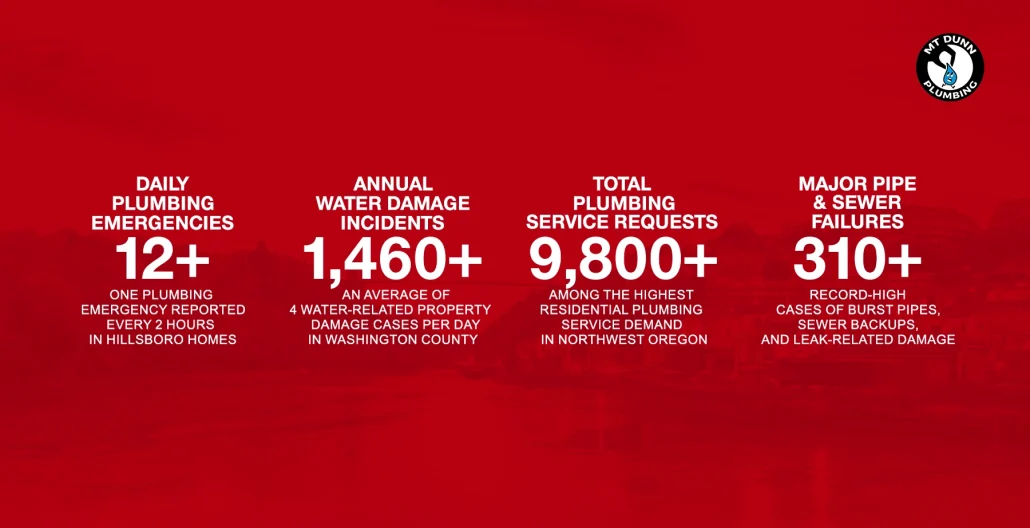
According to Insurance Information Institute data, approximately 14,000 American homes experience plumbing-related water damage daily, with 1 in 60 insured homes filing water damage claims annually nationwide.
A Hillsboro plumber helps you avoid future plumbing failures and costly damage by conducting comprehensive system inspections, identifying aging pipe materials, testing water pressure levels, recommending preventive maintenance schedules, detecting early warning signs of corrosion or leaks, and establishing regular service protocols to protect against the $13,954 average water damage claim and prevent catastrophic failures in your home.
The steps to take after a plumbing emergency are listed below.
Shut off the main water supply if possible, turn off electricity to affected areas, and immediately call M.T. Dunn Plumbing at +1 (503) 640-2458. Emergency plumbers assess water damage severity, contain the flooding or leak, and create official incident documentation essential for insurance claims.
Photograph water damage extent, affected rooms, plumbing fixtures, and surrounding environment from multiple angles. Capture pipe locations, water meter readings, and any relevant environmental factors that contributed to the failure.
Collect homeowner’s insurance policy details, plumber licensing information, property owner contact details, and tenant information if applicable. Record witness names and obtain contact details for potential testimony.
Homeowners have important protections under Oregon rules when plumbing work is performed in their home.
Homeowners have the right to plumbing installations that meet Oregon safety and building standards. Properly installed systems protect drinking water, prevent leaks, and reduce risks of damage, contamination, and costly future repairs.
You have the right to hire a plumbing company that is properly licensed in Oregon. Licensing helps ensure accountability, professional standards, and work that meets state and local requirements.
Plumbing work in your home should be performed by trained and properly authorized professionals. Skilled installation reduces the risk of leaks, drainage issues, and system failures that could damage your property.
Understanding whether you need a professional plumber depends on problem complexity, potential property damage, urgency, and how quickly plumbing issues can escalate in your home or business.
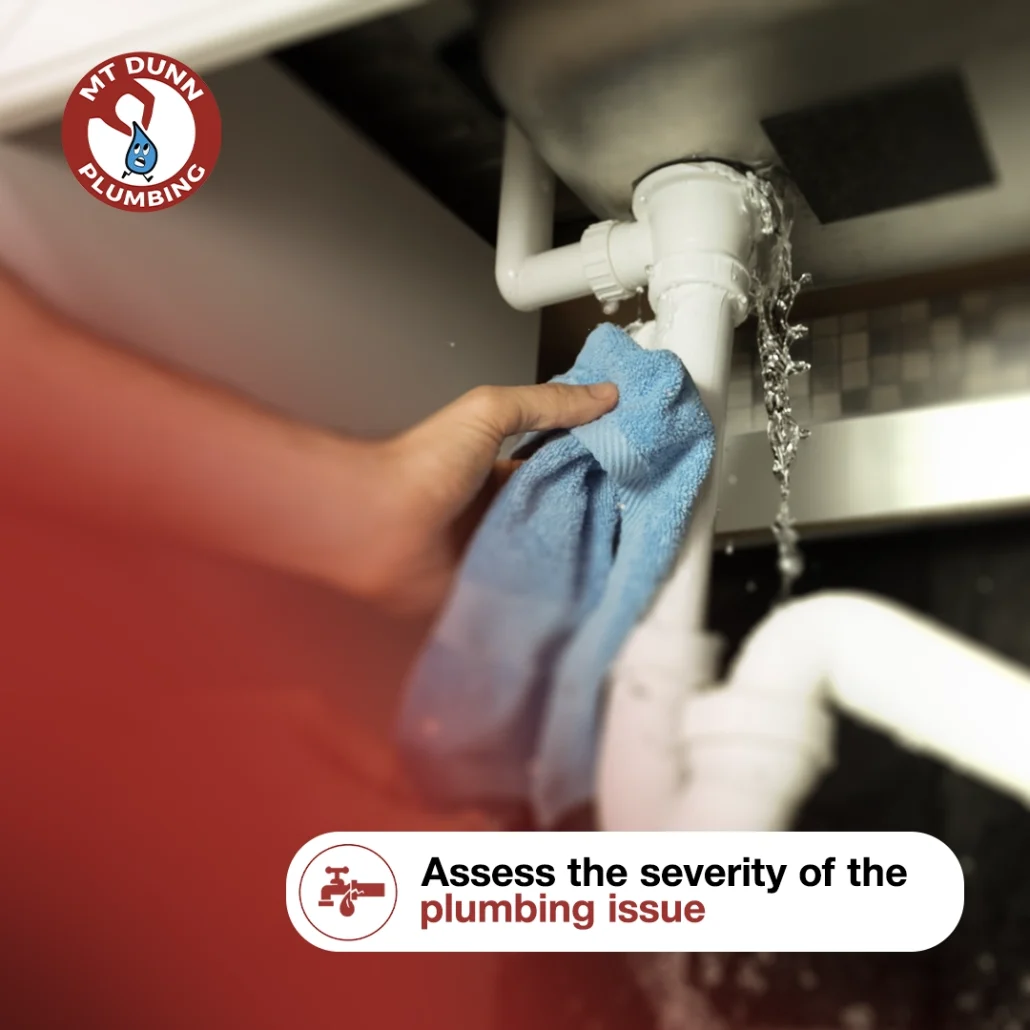
Determine if the problem involves major leaks, burst pipes, sewage backups, or water damage. Serious plumbing issues often require immediate professional intervention to prevent costly repairs.
If clogs, leaks, low water pressure, or drainage issues keep returning despite DIY fixes, it’s a strong sign that a licensed plumber is needed for a permanent solution.
Plumbing failures can lead to hidden water damage, mold growth, and structural issues. A professional plumber can identify the source and stop long-term damage.
Problems involving gas lines, water heaters, or hot water systems should always be handled by trained plumbing professionals for safety and compliance.
Old pipes, corrosion, slow drains, or frequent leaks often indicate aging plumbing systems that may need repairs or upgrades.
Ignoring plumbing issues can lead to higher repair costs, increased water bills, and potential property damage over time.
A licensed Hillsboro plumber can inspect the issue, provide accurate diagnoses, recommend cost-effective solutions, and ensure repairs meet local plumbing codes.
Common causes of plumbing problems in Hillsboro include aging pipes, mineral buildup, improper installations, weather-related damage, and everyday wear that can create leaks, clogs, water pressure issues, and costly property damage if left untreated.
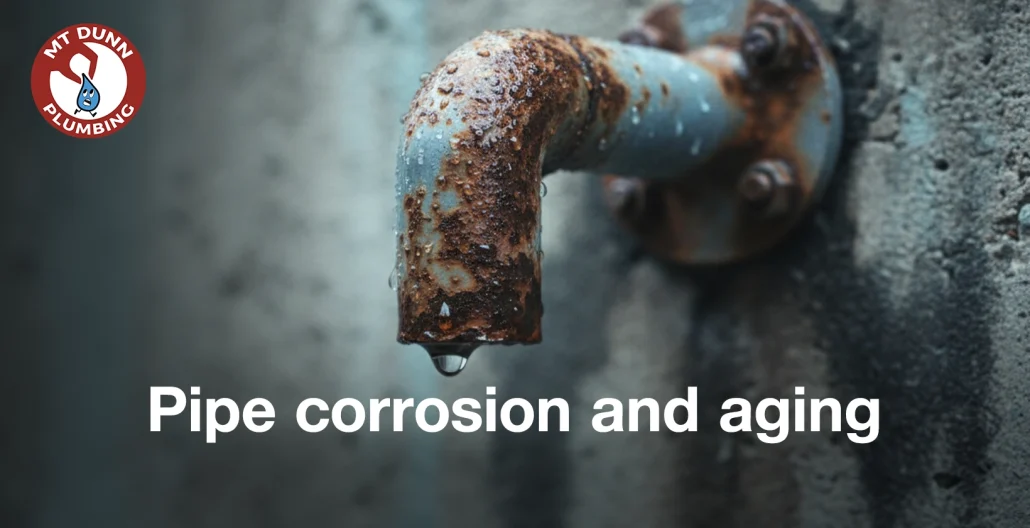
Over time, metal pipes corrode due to moisture, minerals, and chemical reactions in the water supply. Aging or rusted pipes can crack, leak, or burst, leading to water damage, reduced water pressure, and expensive repairs. Replacing outdated piping early helps prevent emergency breakdowns and long-term structural damage.
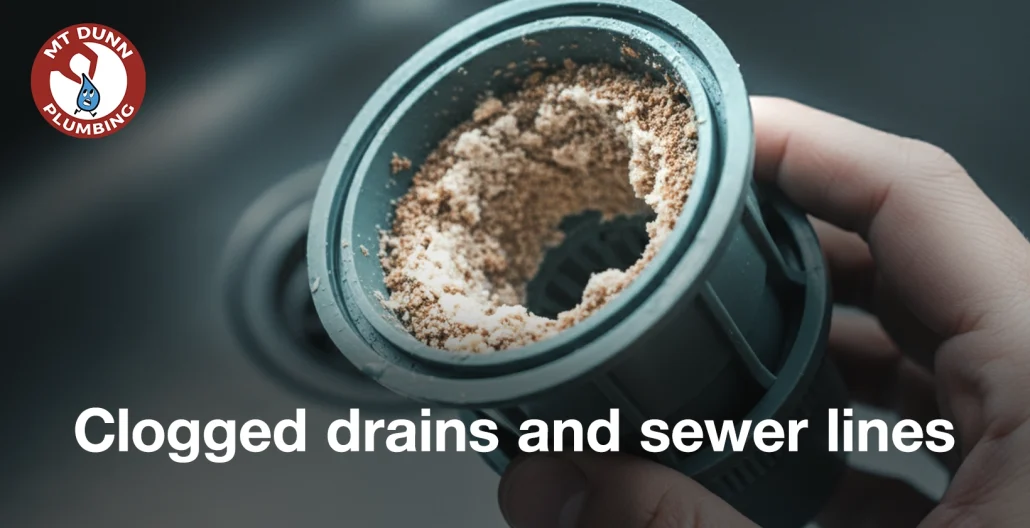
Clogged drains often result from grease buildup, food waste, hair, soap residue, or foreign objects flushed into plumbing systems. Severe blockages can cause slow drainage, foul odors, backups, and sewer overflows. Professional drain cleaning removes deep obstructions and restores proper water flow safely.
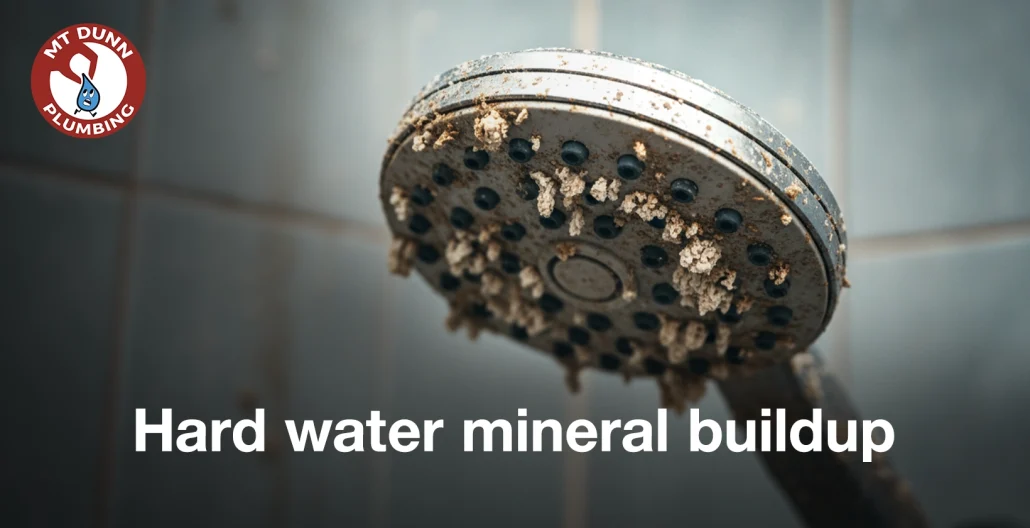
Hillsboro homes commonly experience mineral deposits from hard water, which accumulate inside pipes, faucets, and water heaters. This buildup restricts water flow, reduces appliance efficiency, increases energy costs, and shortens equipment lifespan. Water treatment solutions help protect plumbing systems from long-term damage.
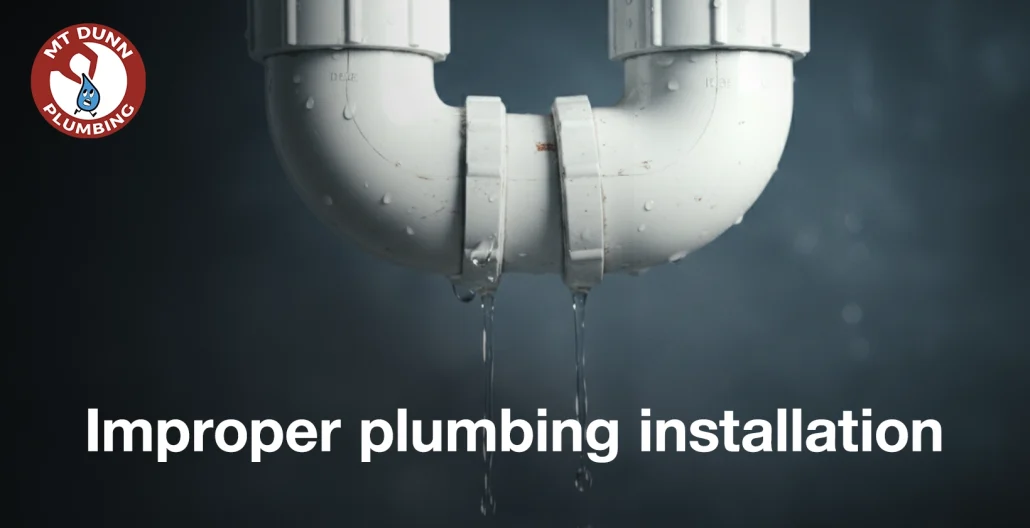
Incorrectly installed pipes, fixtures, or fittings can cause leaks, pressure imbalances, recurring clogs, and premature failures. DIY or low-quality installations often create hidden issues that worsen over time. Hiring licensed plumbers ensures code-compliant, durable, and safe plumbing system performance.
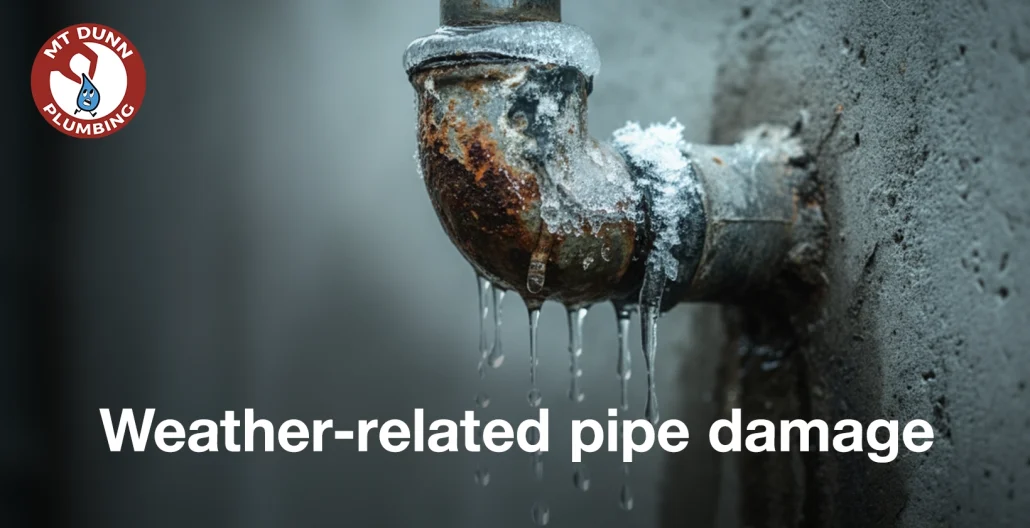
Freezing temperatures, heavy rain, and shifting soil can stress underground and exposed pipes, leading to cracks or ruptures. Seasonal weather changes increase the risk of leaks, foundation movement, and pipe bursts. Proper insulation and professional inspections help prevent climate-related plumbing failures.
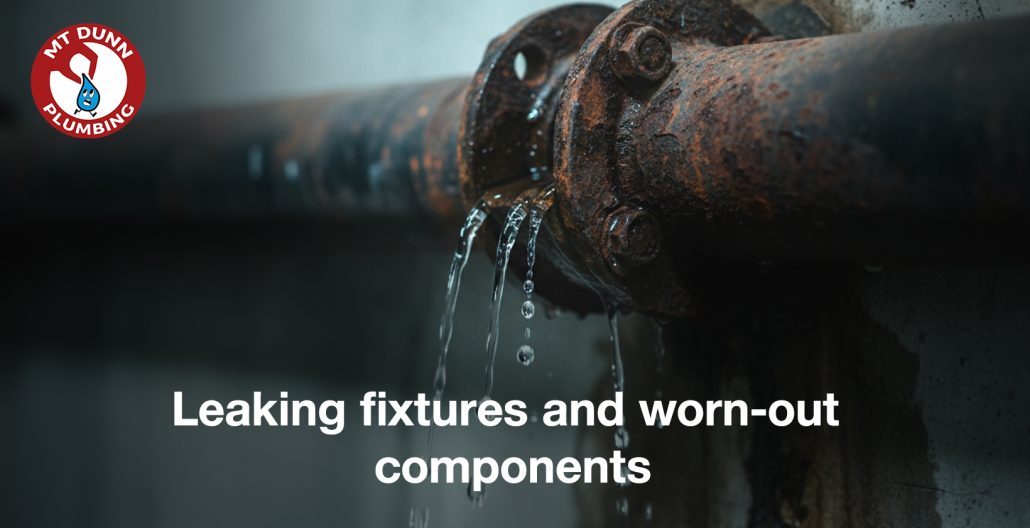
Dripping faucets, running toilets, and worn seals waste water and increase utility bills. Small leaks can escalate into larger plumbing problems, water damage, and mold growth. Timely repairs and fixture replacements help maintain efficiency and prevent costly future repairs.
Tree roots naturally seek moisture and can infiltrate sewer lines through tiny cracks or joints. Root intrusion can block wastewater flow, crack pipes, and cause sewage backups. Professional plumbers use specialized equipment to remove roots and restore sewer line integrity before severe damage occurs.
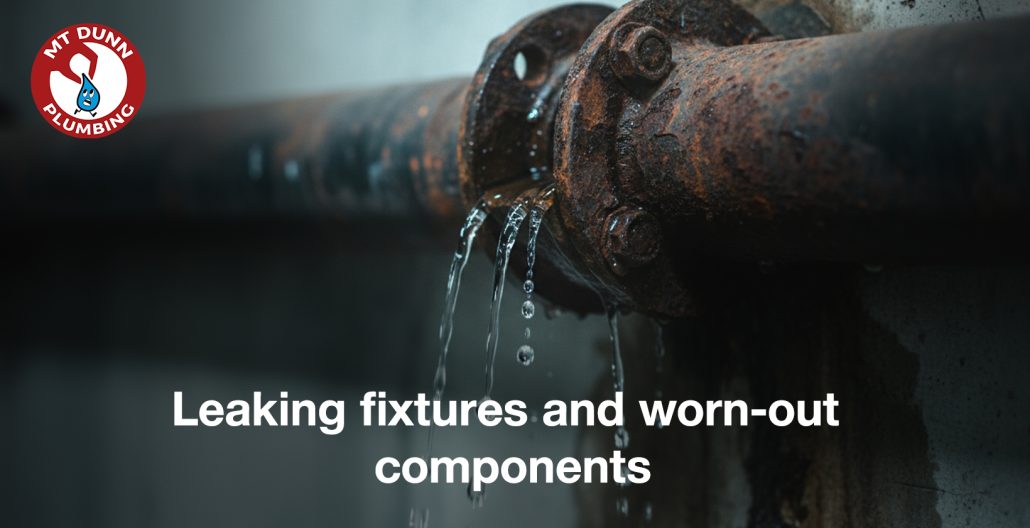
Professional plumbing services provide comprehensive solutions for residential and commercial plumbing issues, using licensed expertise, local code compliance, and proven repair methods to protect property, restore water systems, and prevent costly long-term damage.
Plumbing codes ensure that all installations, repairs, and system upgrades meet safety, performance, and legal standards. Licensed plumbers follow Oregon and Hillsboro regulations to prevent health hazards, water contamination, and structural risks. Code-compliant work helps homeowners avoid fines, failed inspections, and future repair complications while ensuring long-term system reliability.
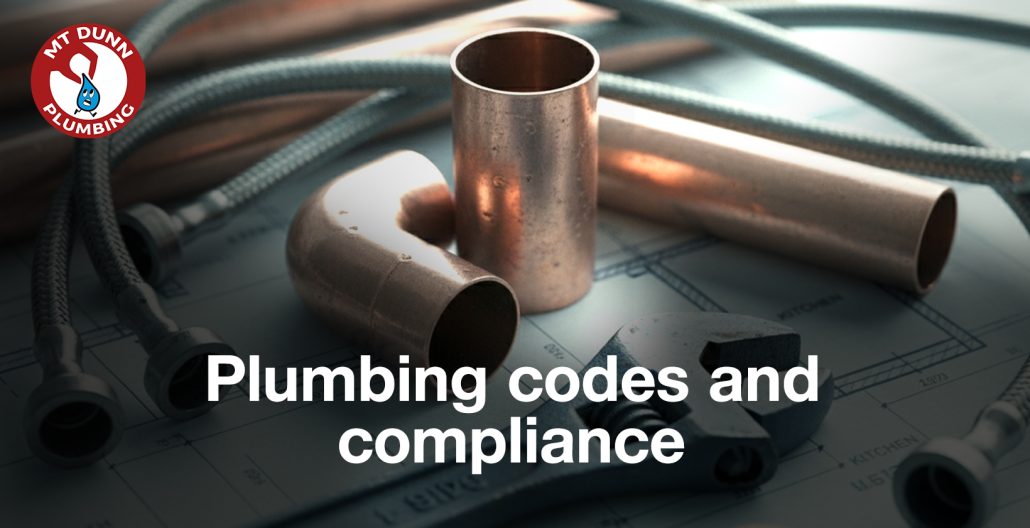
Professional plumbers perform detailed inspections to identify hidden leaks, pipe deterioration, water pressure issues, and drainage problems. Using specialized tools such as camera inspections and pressure testing, plumbers accurately diagnose problems before they worsen. Proper diagnostics save time, reduce unnecessary repairs, and provide homeowners with clear, cost-effective solutions.

Leaks can occur in pipes, fixtures, slabs, or underground lines and often remain hidden until damage becomes severe. Plumbers use advanced leak detection technology to locate water loss, prevent mold growth, and stop property damage. Prompt leak repairs reduce water waste, protect building materials, and prevent expensive restoration costs.
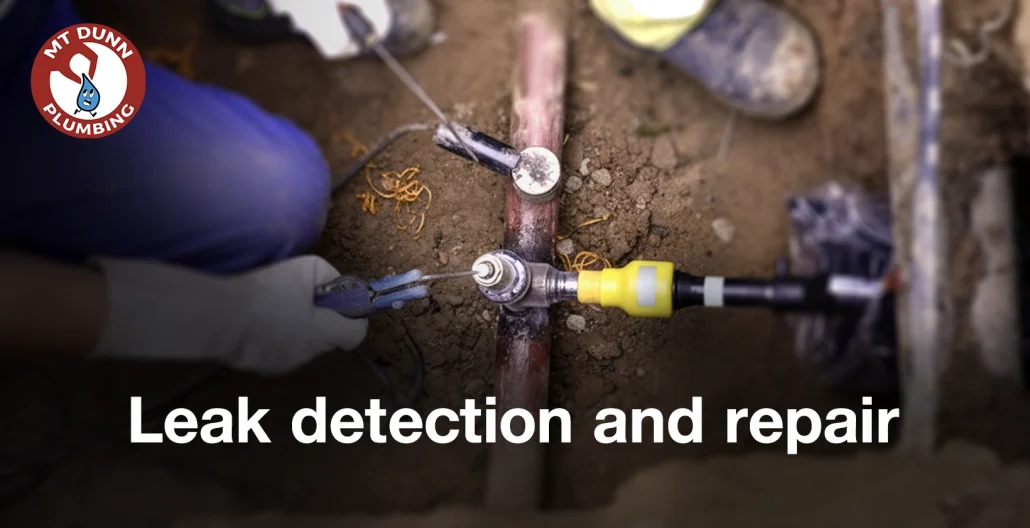
Clogged drains and sewer lines can cause slow drainage, foul odors, backups, and flooding. Professional drain cleaning removes grease, debris, roots, and buildup without damaging pipes. Routine maintenance and expert clog removal improve system efficiency, extend pipe lifespan, and reduce the risk of emergency plumbing failures.
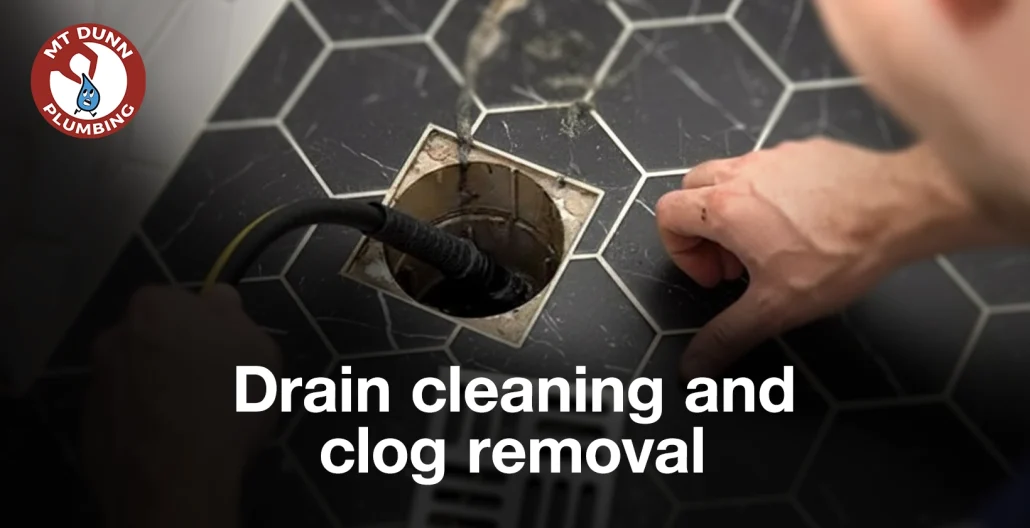
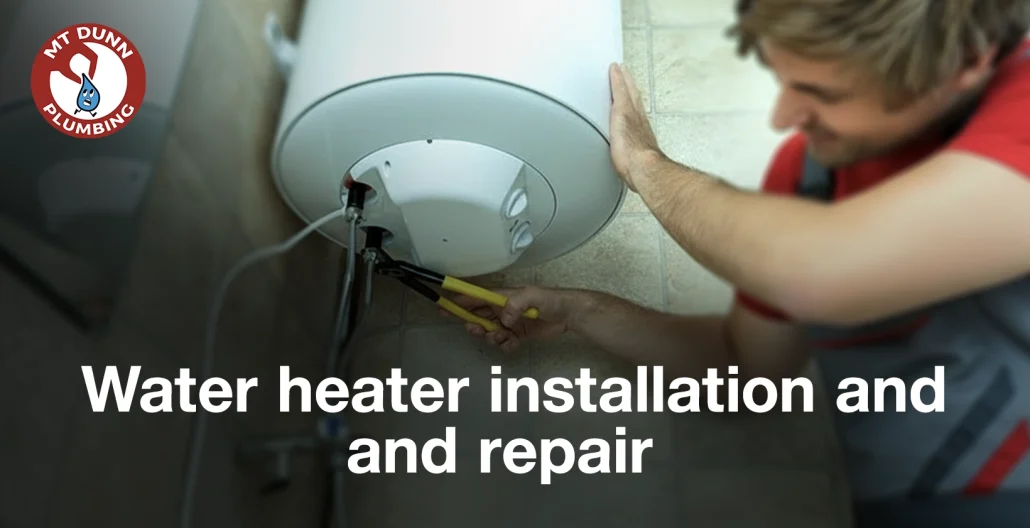
Water heater services include diagnosing heating issues, repairing faulty components, flushing sediment buildup, and installing energy-efficient systems. Professional plumbers ensure safe operation, proper venting, and optimal performance. Regular maintenance helps extend water heater lifespan, improve hot water availability, and reduce energy consumption.
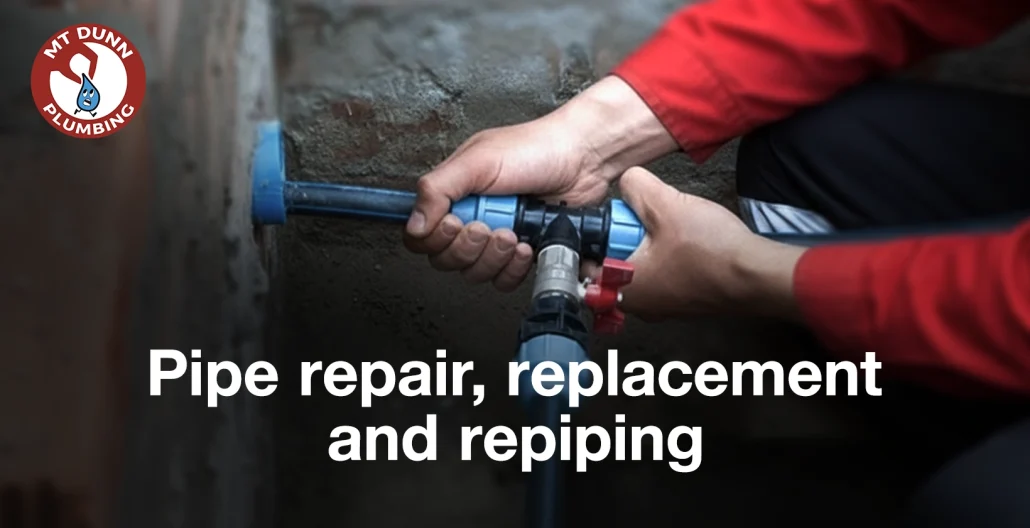
Damaged, corroded, or outdated pipes can lead to leaks, pressure loss, and water contamination. Plumbers offer pipe repairs, partial replacements, and full repiping using durable, modern materials. Upgrading aging plumbing systems improves water flow, reduces maintenance costs, and enhances overall property value.
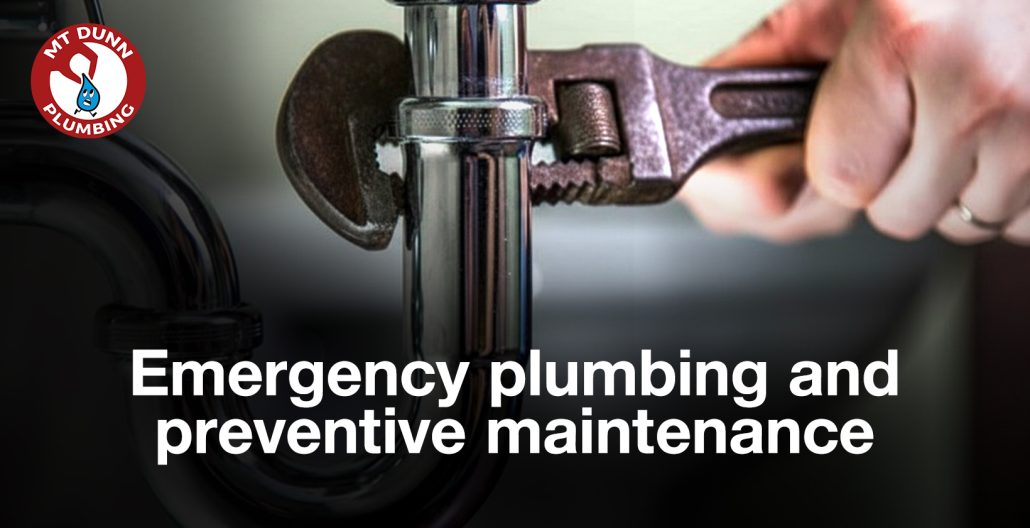
Emergency plumbing services address urgent issues such as burst pipes, sewer backups, gas line concerns, and flooding. Preventive maintenance plans help detect small problems early, reducing unexpected breakdowns and expensive repairs. Having a reliable Hillsboro plumbing professional ensures fast response, dependable service, and long-term system protection.
Evaluating a professional plumber in Hillsboro requires reviewing licensing, experience, service quality, customer reviews, pricing transparency, response time, and proven results to ensure reliable, long-lasting plumbing solutions.
A qualified plumber should hold a valid Oregon state license and meet local Hillsboro regulatory requirements. Proper certification ensures the plumber has completed required training, follows safety standards, and complies with plumbing codes. Hiring licensed professionals protects homeowners from poor workmanship, legal issues, and unsafe installations.
Plumbing experience matters when handling complex repairs, installations, and emergency situations. Experienced plumbers can diagnose problems faster, recommend better solutions, and prevent recurring issues. Look for professionals with a proven track record in residential, commercial, drain, water heater, and pipe repair services.
Online reviews, testimonials, and local recommendations provide insight into service quality, reliability, and professionalism. Consistently positive feedback reflects strong customer satisfaction and trustworthy business practices. A reputable Hillsboro plumbing company builds long-term relationships through dependable work and honest communication.
Local Hillsboro Plumbers • Honest Pricing • Done Right the First Time
Owner & Founder of M T Dunn Plumbing
Homeowners can expect complete professional plumbing service from a Hillsboro plumbing company including detailed system inspection, accurate problem diagnosis, reliable repairs, and clear communication throughout the process. Plumbers provide leak detection, pipe condition assessment, drainage evaluation, fixture installation, water heater service, and system performance checks. Service also includes identifying code concerns, preventing future issues, recommending suitable solutions, and maintaining safe water and sanitation systems. Support covers equipment testing, material selection, work area protection, and careful job completion to keep plumbing systems operating safely and efficiently.
Professional plumbers provide a range of services including pipe repairs, drain cleaning, fixture installation, water heater maintenance, sewer line work, and system inspections. They handle leak location, water pressure evaluation, blockage removal, pipe replacement, and drainage correction. Services include consultation, repair planning, parts installation, performance testing, and code-compliant workmanship. Plumbers also assist with maintenance recommendations, plumbing upgrades, troubleshooting recurring issues, and final system checks to support reliable operation, prevent damage, and maintain safe water flow throughout the home.
Professional plumbers in Hillsboro carry essential responsibilities including system diagnosis, repair execution, safety compliance, customer communication, and long-term plumbing reliability through skilled, licensed, and detail-oriented service.
A plumber’s primary responsibility is identifying the root cause of plumbing problems such as leaks, clogs, low water pressure, or sewer backups. Using specialized tools and professional expertise, plumbers ensure accurate diagnoses to prevent misrepairs, wasted time, and recurring issues that could increase repair costs.
Plumbers are responsible for completing repairs that meet Oregon and Hillsboro plumbing codes and safety regulations. This ensures systems operate efficiently without risking water contamination, gas leaks, or property damage. Code-compliant work protects homeowners from legal issues, failed inspections, and unsafe installations.
Professional plumbers handle installations of pipes, fixtures, water heaters, filtration systems, and appliances. They ensure proper fitting, correct water flow, and long-term durability. Responsible installation reduces future maintenance needs, improves efficiency, and enhances overall home plumbing performance.
Professional plumbers use a step-by-step inspection process to locate hidden plumbing issues. This may include checking visible fixtures, testing water pressure, monitoring drainage flow, and listening for unusual pipe sounds. For concealed problems, tools such as inspection cameras, electronic leak detection devices, and moisture meters help locate leaks behind walls or under floors. Accurate diagnosis is important because surface symptoms like slow drains or damp spots often point to deeper pipe damage or blockages. Identifying the root cause prevents temporary fixes and helps ensure long-term system reliability. Early detection also reduces the risk of structural damage and mold growth.
Plumbers often use specialized drain cameras to inspect the inside of pipes. These cameras travel through the line and provide a clear view of blockages, buildup, cracks, or root intrusion. This method helps determine whether cleaning, repair, or replacement is needed. Camera inspections reduce guesswork and allow targeted solutions, saving time and preventing unnecessary digging or pipe removal.
Leak detection may involve pressure testing, moisture readings, and checking water meter activity when fixtures are not in use. Plumbers may also use acoustic listening equipment to locate leaks inside walls or underground. Confirming the exact leak location allows precise repair and minimizes damage to surrounding areas.
Common steps our Hillsboro, OR plumbing professionals take to diagnose water pressure problems are listed below.
Initial System Inspection: Our plumbers inspect visible pipes, fixtures, and shut-off valves to determine whether the issue is isolated to one fixture or affecting the entire property.
Water Pressure Testing: We use professional pressure gauges to measure PSI levels and identify whether the pressure is too high, too low, or fluctuating.
Leak & Pipe Evaluation: Hidden leaks, pipe corrosion, mineral buildup, or partially closed valves are checked as potential causes of pressure loss.
Water Supply & Regulator Check: We inspect the main water line, pressure-reducing valve (PRV), and municipal supply connection to ensure proper regulation.
Solution & Repair Plan: After diagnosing the issue, we provide clear repair options — whether it’s pipe replacement, leak repair, valve adjustment, or system upgrades — to restore consistent water pressure.
Water pressure is checked using pressure gauges attached to fixtures or hose connections. Plumbers evaluate pressure regulators, pipe condition, and possible blockages. Proper pressure testing helps protect appliances, reduce pipe stress, and maintain efficient water flow.
Minor plumbing repairs such as fixing a leaking faucet, replacing a toilet component, unclogging a drain, or repairing a small visible pipe leak are often completed in a single service visit. The exact time depends on how easily the affected area can be accessed and whether replacement parts are readily available. Straightforward repairs may take less than an hour, while more involved issues, such as hidden leaks or stubborn clogs, can take longer. Proper diagnosis at the start of the visit helps avoid delays. Having clear access to sinks, shut-off valves, and work areas also helps speed up the process and ensures repairs are completed efficiently and safely.
Repiping a home is a larger project that typically takes several days, depending on the size of the property and the complexity of the plumbing layout. Homes with multiple bathrooms, long pipe runs, or difficult-to-reach plumbing lines may require additional time. The process includes removing old piping, installing new lines, securing connections, and testing the system for leaks and pressure stability. Wall or ceiling access may also be needed, which can extend the timeline. Careful planning and coordination help reduce disruption and ensure the new system meets performance and safety standards. Thorough testing at the end confirms the system operates reliably.
Yes, inspections can add time, but they play an important role in ensuring the work is safe and compliant with local requirements. For certain projects, such as water heater installations, sewer line replacements, or major pipe modifications, inspections confirm that materials, connections, and system design meet standards. Scheduling inspections may introduce short waiting periods, depending on availability. However, inspections help prevent future problems by verifying that work is completed correctly. Passing inspection the first time reduces the chance of rework, delays, or safety concerns later. This step ultimately supports long term system reliability and homeowner peace of mind.
Several factors influence how long a plumbing repair takes. Accessibility is a major consideration, as pipes hidden behind walls, under floors, or underground require more time to reach. The availability of specific parts or materials can also affect timing, especially for older systems with uncommon components. Permit requirements for certain jobs may introduce additional steps before work begins. Weather conditions can impact outdoor plumbing projects such as sewer line repairs. The overall condition of the plumbing system may also reveal additional issues during the repair process. Clear communication and preparation help minimize delays and keep projects moving efficiently.
Emergency plumbing repairs are prioritized because they often involve active leaks, flooding, or system failures that can cause immediate damage. Plumbers focus first on stopping water flow, controlling the situation, and preventing further harm to the property. Temporary solutions may sometimes be used to stabilize the issue before a permanent repair is completed. The urgency of the situation helps speed response times, but the total repair time still depends on the extent of the damage and parts required. Quick action helps reduce repair costs, minimize water damage, and restore safe plumbing operation as soon as possible.
Planning plays a key role in completing plumbing work efficiently and safely. A clear plan helps identify necessary materials, tools, and labor before the job begins. It also allows coordination for water shutoffs, inspections, and access to work areas. Proper planning reduces unexpected delays, prevents mistakes, and ensures repairs address the root cause of the issue. It supports smoother scheduling and minimizes disruption inside the home. Careful preparation also improves overall system performance by ensuring that installations are done correctly the first time, reducing the need for repeat service visits.
Plumbing leaks can cause far more damage than many homeowners realize. Even a small, steady leak inside a wall or under a floor can soak insulation, weaken drywall, and damage flooring materials. Over time, moisture can spread into structural framing, creating conditions that lead to wood rot and weakening of support structures. Hidden leaks also encourage mold growth, which can affect indoor air quality and require professional remediation. Water may travel along framing and appear far from the original source, making damage harder to trace. In severe cases, long-term leaks can compromise foundations or cause ceilings to sag. Early detection and proper repair are critical to protecting both the structure of the home and the health of those living inside.
Yes, drainage and sewer issues can create serious risks. Slow drains may indicate buildup or partial blockages that can worsen over time. If wastewater cannot flow freely, pressure can build in pipes, increasing the chance of backups. Sewer backups can release contaminated water into sinks, tubs, or floor drains, creating unsanitary conditions and potential health hazards. Outdoor drainage issues may also affect soil around the foundation, increasing the risk of moisture intrusion. Correcting drainage problems early helps prevent flooding, unpleasant odors, and pipe damage.
Water damage can have a significant effect on property value if not addressed properly. Stained ceilings, warped floors, and visible mold are warning signs for potential buyers and inspectors. Even hidden past damage may raise concerns during home evaluations. Repairing the plumbing problem alone may not be enough if structural or cosmetic damage remains. Addressing both the cause and the resulting damage helps maintain property condition and market appeal. Well-maintained plumbing systems support a home’s overall reliability and can help avoid complications during resale.
Yes, plumbing issues such as hidden leaks, running toilets, or dripping fixtures can waste large amounts of water over time. Even small leaks can add up, increasing water bills without obvious signs. Faulty water heaters or pressure problems can also reduce efficiency and raise energy costs. Fixing these issues helps conserve water, improve system performance, and reduce ongoing household expenses.
Professional plumbing installation and repair reduce risks by ensuring correct materials, secure connections, and code-compliant practices. Proper workmanship helps prevent leaks, pipe failures, and system stress. Skilled service supports long-term durability and safer system operation.
Small plumbing problems often grow into larger ones if ignored. A minor drip or slow drain can develop into major water damage or pipe failure. Early repairs are usually simpler and less costly than emergency fixes later.
Skilled plumbers focus on long-term performance, not temporary fixes. They address root causes, use durable materials, and follow correct installation methods. This reduces repeat problems and helps plumbing systems operate efficiently.
Yes, trained plumbers follow recognized safety guidelines and building standards. They use approved materials, proper tools, and safe installation techniques to protect homes and occupants.
Experience allows plumbers to recognize patterns, common failure points, and system behaviors. This leads to faster, more accurate diagnosis and effective repair solutions.
Untrained work increases the chance of leaks, improper connections, and future system failures. Mistakes may cause hidden damage and higher repair costs later.
Quality workmanship helps plumbing systems last longer, operate efficiently, and remain safe. Proper repairs reduce the risk of future emergencies.
Professional plumbing services should be scheduled at least once a year to inspect pipes, fixtures, and drainage systems. Regular maintenance helps prevent leaks, blockages, and unexpected plumbing problems.
At M T Dunn Plumbing, we proudly serve homeowners and businesses throughout Hillsboro and surrounding communities with dependable, professional plumbing services.
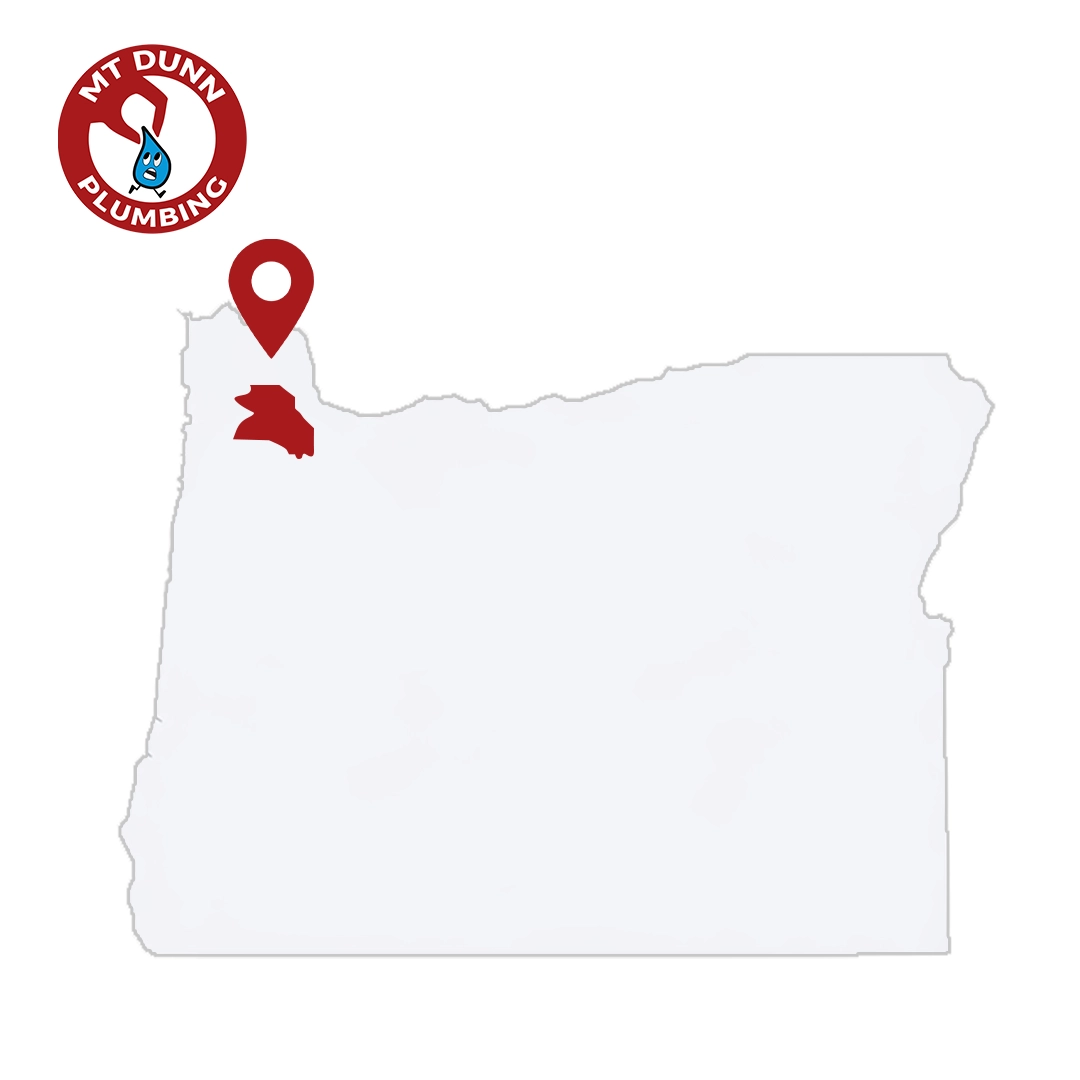
Our Hillsboro service area handles a high volume of plumbing calls, including leak repairs, drain clogs, water heater issues, pipe replacements, and sewer line concerns. From older homes with aging plumbing systems to newer properties needing fixture upgrades, we provide reliable solutions across residential neighborhoods and local commercial properties throughout the Hillsboro area.
We assist Beaverton homeowners with common plumbing needs such as clogged drains, faucet replacements, water pressure problems, and water heater service. Our team understands the plumbing challenges in both established neighborhoods and newer developments.
In Aloha, we provide prompt plumbing repairs, leak detection, fixture installation, and drainage solutions. Our services help protect homes from water damage and maintain safe, efficient plumbing systems.
Gaston homes often range from rural properties to established residences with aging plumbing systems. We provide pipe repairs, leak detection, water heater service, and drain solutions to help keep plumbing systems operating safely and efficiently in the area.
Portland properties include everything from older homes with legacy plumbing to modern buildings with updated systems. We handle sewer line inspections, fixture upgrades, pipe repairs, and water heater replacements to maintain reliable performance and meet local plumbing standards.
In Tigard, we help with plumbing upgrades, leak repairs, garbage disposal services, and system maintenance. Our goal is to keep plumbing systems operating smoothly and efficiently.
Newberg homeowners trust us for drain cleaning, toilet and sink installations, leak repairs, and general plumbing troubleshooting. Our focus is on dependable service, careful workmanship, and plumbing solutions built for long-term reliability.
Banks, OR homes often range from rural properties to established residences with aging plumbing systems. We provide pipe repairs, leak detection, water heater service, and drain solutions to help keep plumbing systems operating safely and efficiently in the area.
In North Plains, we provide prompt plumbing repairs, leak detection, fixture installation, and drainage solutions. Our services help protect homes from water damage and maintain safe, efficient plumbing systems.
We assist Lake Oswego homeowners with common plumbing needs such as clogged drains, faucet replacements, water pressure problems, and water heater service. Our team understands the plumbing challenges in both established neighborhoods and newer developments.
Our Sherwood service area handles a high volume of plumbing calls, including leak repairs, drain clogs, water heater issues, pipe replacements, and sewer line concerns. From older homes with aging plumbing systems to newer properties needing fixture upgrades, we provide reliable solutions across residential neighborhoods and local commercial properties throughout the Sherwood area.
Tualatin homes often range from rural properties to established residences with aging plumbing systems. We provide pipe repairs, leak detection, water heater service, and drain solutions to help keep plumbing systems operating safely and efficiently in the area.
In West Linn, we provide prompt plumbing repairs, leak detection, fixture installation, and drainage solutions. Our services help protect homes from water damage and maintain safe, efficient plumbing systems.
Wilsonville properties include everything from older homes with legacy plumbing to modern buildings with updated systems. We handle sewer line inspections, fixture upgrades, pipe repairs, and water heater replacements to maintain reliable performance and meet local plumbing standards.
Stay informed with our latest plumbing tips, maintenance advice, and expert insights to keep your home’s pipes and systems running smoothly.
As winter approaches, the cold can put significant strain on your plumbing system. A frozen pipe may seem like a minor problem at first, but
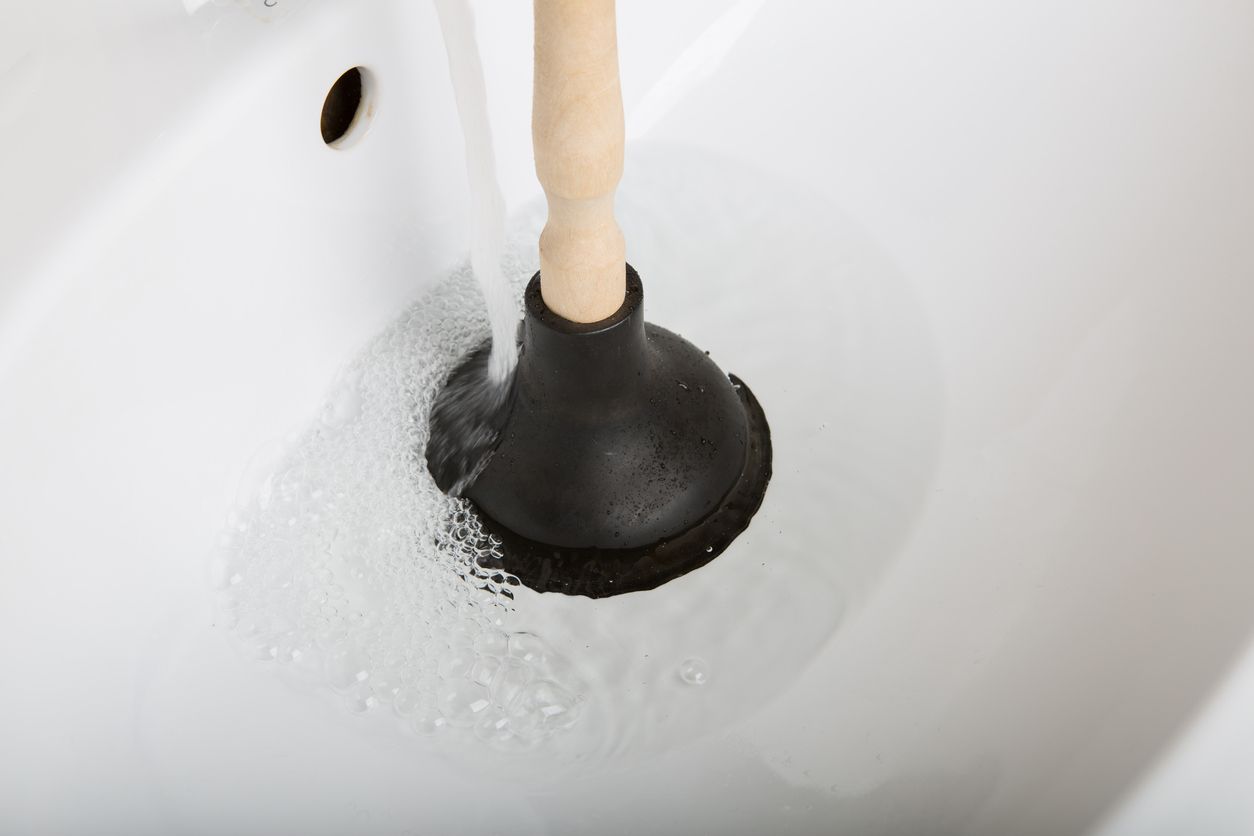
Clogged drains are one of those household problems that can quickly turn from a minor inconvenience into a major headache. Slow-draining sinks, backed-up showers, and
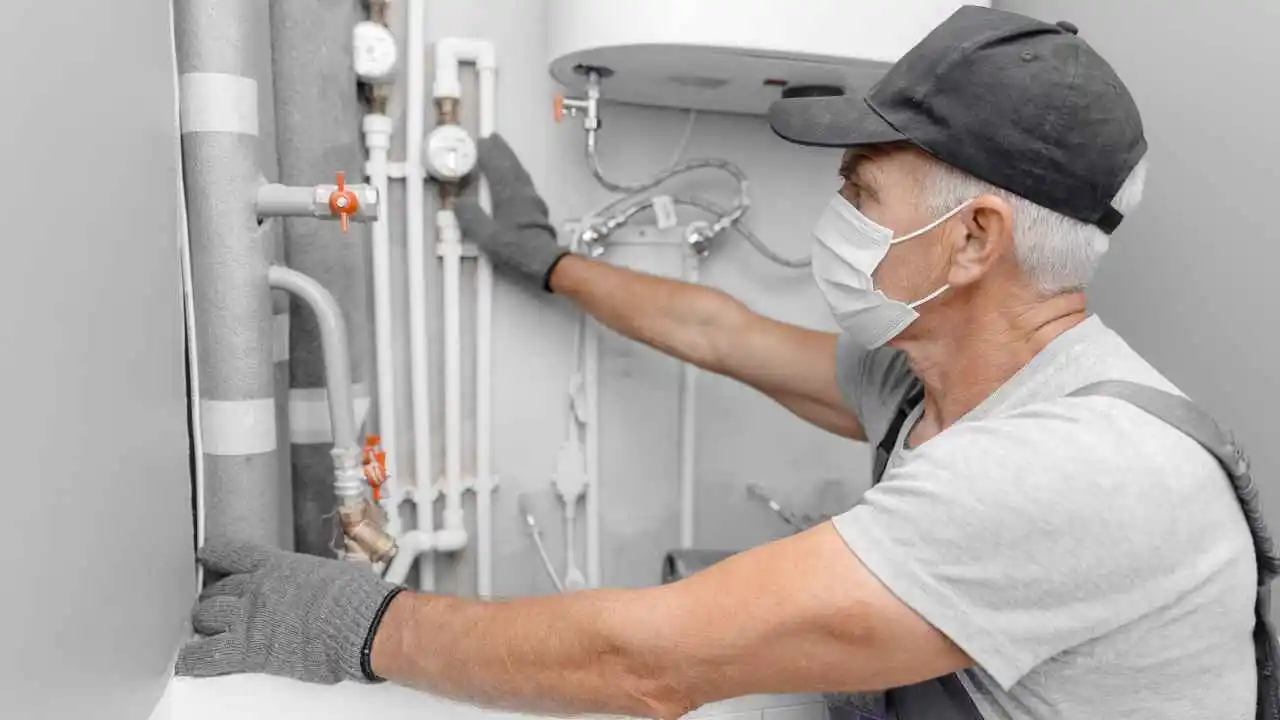
Most homeowners rarely think about their plumbing system until something goes wrong, a faucet starts dripping, a drain backs up, or the water heater suddenly
At M T Dunn Plumbing, we proudly serve Hillsboro, Beaverton, Portland, Tigard, Lake Oswego, Sherwood, Tualatin, West Linn, Wilsonville, Aloha, Newberg, Gaston, Banks, North Plains, and the surrounding Portland metro areas.
Call Today For A Free Case Evaluation
 Call Now